What is the best way to design distributed audio for a luxury automated residence?
Whole-home audio can be invisible and effortless or a tangle of apps and half-working zones. The difference is made in the design phase, long before a speaker is mounted.
Start with how the household actually listens
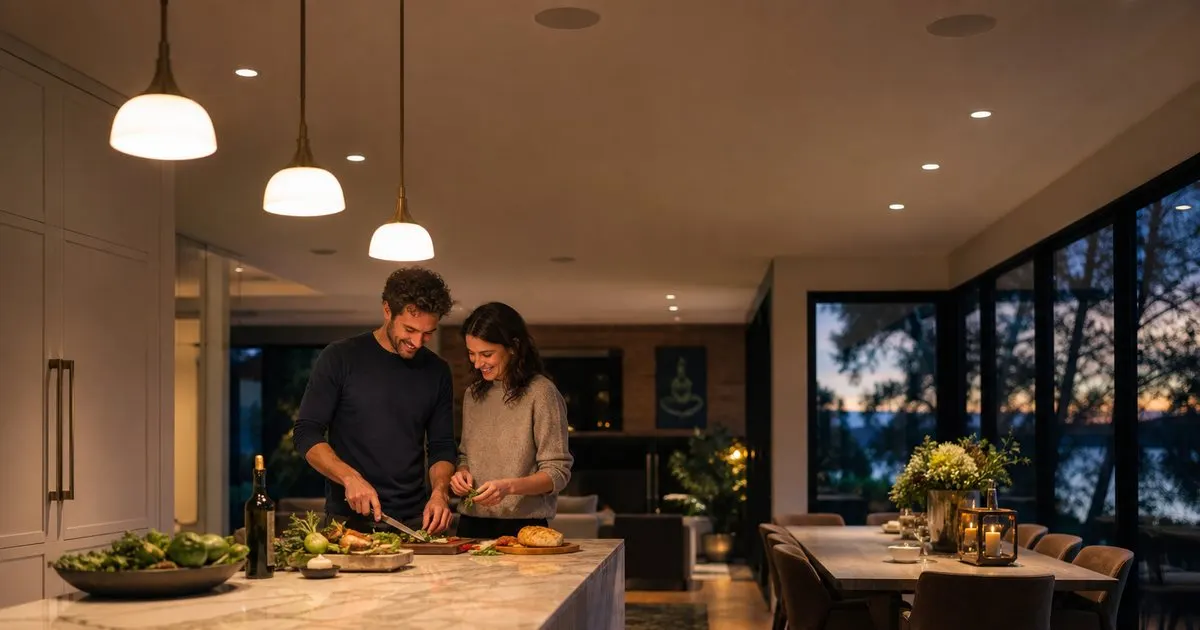
The most common design failure in distributed audio is specifying zones by floor plan rather than by behavior. Before drawing a single speaker location, map how people move through the house and where sound is genuinely wanted: background music in the kitchen while cooking, a quiet stream in the primary bath, an outdoor zone that serves a terrace without bleeding into the neighbors' garden, and a serious listening room where fidelity matters. A great room may need two independent zones if it hosts both a dining area and a lounge with different moods.
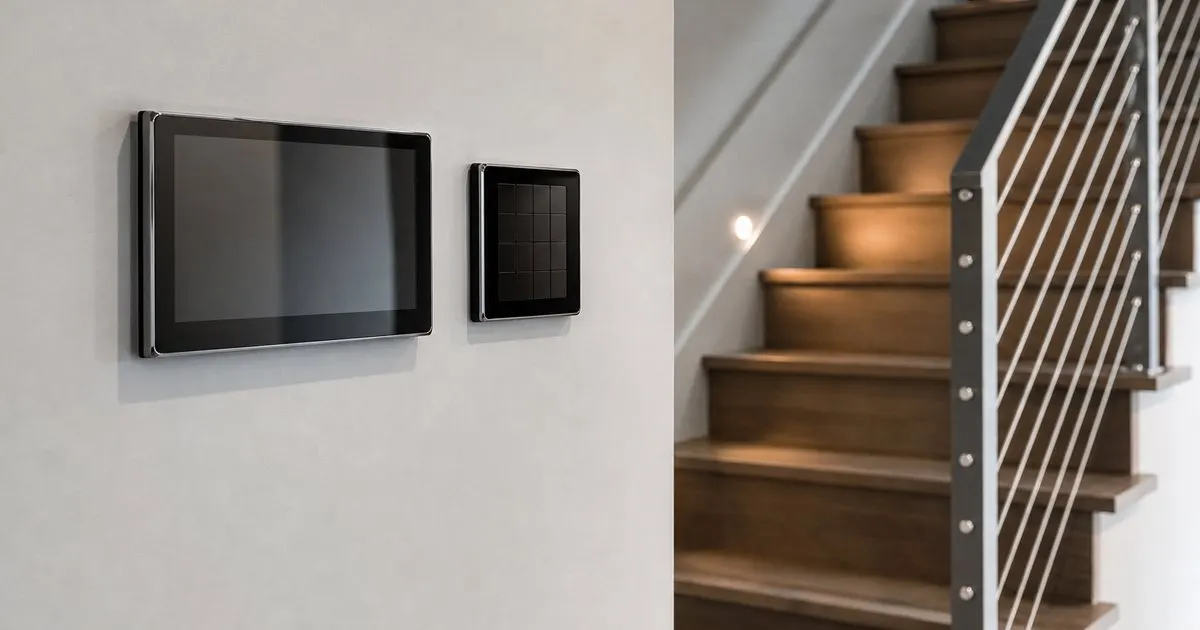
Equally important is how people will control it. In a luxury residence the answer is rarely one thing. Guests and staff need a keypad or a wall touchscreen that works without a phone; the owners want a phone app and voice; everyone wants the music to simply follow a scene when the home switches to evening mode. A system that only works from one person's handset is not a whole-home system, it is a personal one, and it will disappoint the household within months. Related: How do you plan luxury whole-home automation for a large private residence?
Keep reading: How do you plan luxury whole-home automation for a large private residence?, What core systems should a premium smart home integration genuinely prioritize first?, Which control interfaces work best for an intuitive luxury whole-home automation experience?. See how Smarthausr helps you an expert guide to whole-home luxury automation.
Choosing the architecture
There are two broad approaches. A centralized system places amplification and streaming sources in an equipment room and runs speaker wire to every zone. It is clean, serviceable, and keeps electronics out of living spaces, and it is typically the right approach for a new build where wire can be pulled freely. A distributed or networked approach places small amplifiers or powered speakers near each zone and links them over the network. It suits retrofits and detached structures, but it multiplies the number of devices that need power, firmware updates, and network attention. Related: Why does wired infrastructure still matter in a high-end smart home system?
Many well-designed homes use both. The main house runs on a centralized matrix with high-quality multichannel amplification, while the pool house or guest cottage uses a networked endpoint fed by the same streaming ecosystem. The key is to keep a single source library and a single control vocabulary so that the household never has to remember which system a room belongs to. Ask any prospective integrator to explain exactly how a guest cottage zone would appear on the main house keypads before you commit.
Speakers, placement, and the rooms themselves
In-ceiling and in-wall speakers dominate luxury installations because they disappear, but disappearing is not the same as sounding good. Placement relative to seating, ceiling height, and the acoustic character of hard surfaces such as stone floors and glass walls all affect the result. A pair of well-placed speakers in a room with a rug and upholstered furniture will outperform four poorly placed ones in a hard, reflective space. Consider back boxes for speakers in ceilings shared with bedrooms above, and pay attention to grille finishes so they vanish into plaster or timber.
Rooms that matter for listening deserve more than architectural speakers. A library, a study, or a dedicated music room can justify freestanding loudspeakers, a dedicated amplifier, and acoustic treatment integrated into the joinery. These rooms should still sit inside the whole-home control system so that a scene can bring them into play, but their signal path should be short and uncompromised. Outdoors, choose weather-rated speakers and landscape subwoofers designed for open air, and plan for a separate volume ceiling so late evenings stay considerate. Related: Which control interfaces work best for an intuitive luxury whole-home automation experience?
Sources, streaming, and long-term serviceability
Streaming services and their protocols change more often than speakers do, which argues for keeping the streaming layer modular. Whichever streaming platform the household prefers, it should be delivered through a component that can be replaced without touching wiring, amplifiers, or speakers. Local libraries, a turntable in the study, and television audio from the media room should all be routable into the distributed system, and the integrator should show you how each source is selected from a keypad, not just from an app. Related: Are proprietary or open platforms better for a lasting luxury home automation investment?
Finally, insist on a documented system. A labeled rack, a zone map, and a clear explanation of how to add or reassign a zone are what separate an installation from an asset. Budget honestly: for a large residence, a properly engineered distributed audio system across many zones typically represents a meaningful five-figure line, with the serious listening spaces adding to that. Where this guide links to specific components, we may earn a commission, but the design principles above hold regardless of what you buy.
- Define audio zones by how people actually live and listen, not by the floor plan alone.
- Centralized amplification suits new builds; networked endpoints suit retrofits and outbuildings, and the two can coexist.
- Speaker placement and room acoustics matter more than speaker count in stone and glass interiors.
- Keep the streaming layer modular so services can change without touching the wiring or speakers.

Julien Jimenez
Julien Jimenez is an independent software builder based in Paris. He designs, ships, and operates focused SaaS products for small businesses and independent professionals. Read the full author page.
A Home That Anticipates You
An expert guide to whole-home luxury automation. Smarthausr is built to help you put this into practice.
Plan your homeMore from the Smarthausr blog
How do you plan luxury whole-home automation for a large private residence?
What core systems should a premium smart home integration genuinely prioritize first?
Which control interfaces work best for an intuitive luxury whole-home automation experience?
Get the complete luxury whole-home automation guide
Our full buying guide, the price guide, and new research as we publish it. One email, no spam, unsubscribe any time.