Why does multi-zone climate control deserve a dedicated place in luxury automation?
Comfort is the quietest luxury, and it is the one most homeowners notice only when it fails. Here is why climate belongs at the heart of an automated residence rather than at its edge.
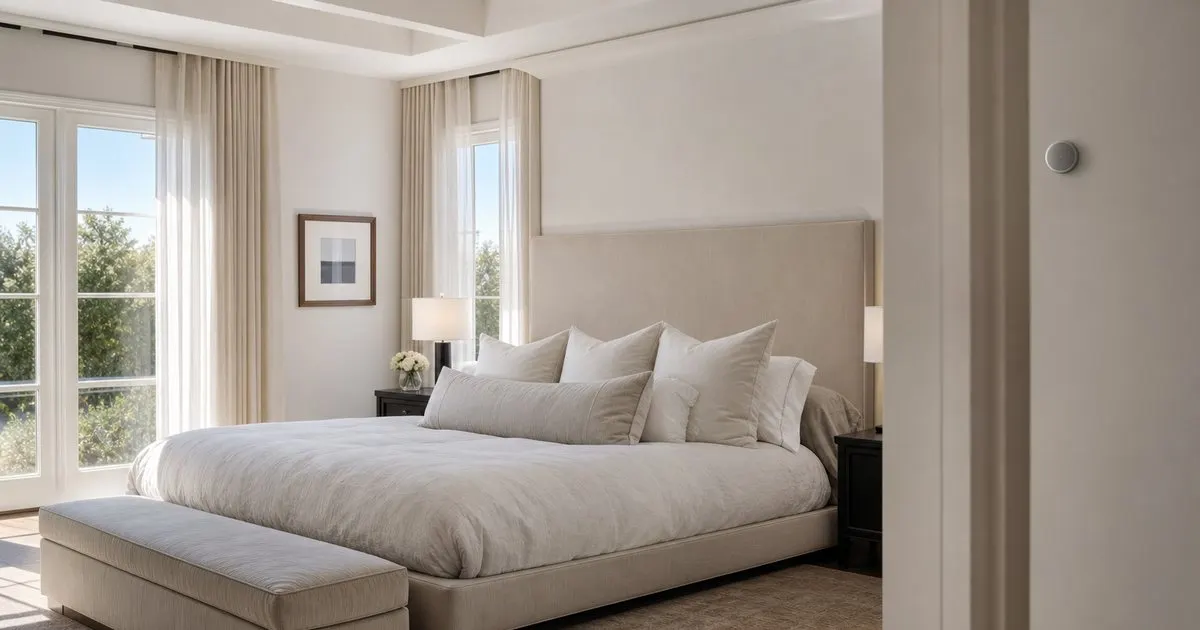
Comfort in a large home is a zoning problem
A large residence rarely has a single climate. A south-facing glass gallery, a north-side study, a wine room, a basement gym, and a primary suite on the top floor each gain and lose heat differently and are occupied at different hours. A conventional two- or three-thermostat approach forces compromises: someone is too warm so that someone else is comfortable, or the whole house is conditioned for a single room. Multi-zone control, with independent sensing and dampers, valves, or separate air handlers per zone, solves this at the mechanical level.
Automation is what makes zoning livable. Without a control layer, a home with a dozen zones becomes a dozen thermostats that nobody adjusts. With integration, the system can follow occupancy, time of day, and the same scenes that govern lighting and shades. A guest suite can sit in setback until a guest is expected. The gym can pre-cool before a scheduled workout. The primary suite can warm the bathroom floor before the morning alarm. None of that requires anyone to touch a thermostat. Related: Which control interfaces work best for an intuitive luxury whole-home automation experience?
Keep reading: How do you plan luxury whole-home automation for a large private residence?, What core systems should a premium smart home integration genuinely prioritize first?, Which control interfaces work best for an intuitive luxury whole-home automation experience?. See how Smarthausr helps you an expert guide to whole-home luxury automation.
What integration actually delivers beyond a smart thermostat
Consumer smart thermostats are excellent for single-zone homes, but a luxury residence typically involves a mix of forced air, hydronic radiant floors, dedicated dehumidification, and sometimes geothermal or variable-refrigerant systems. Coordinating these is the real work. A radiant slab responds over hours, a forced-air zone over minutes; if they fight each other, the result is wasted energy and uneven comfort. A whole-home platform with proper climate integration can stage them intelligently and present a single, simple interface to the household. Related: How do you plan luxury whole-home automation for a large private residence?
Integration also unlocks conditions that no thermostat can see on its own. Shades can lower automatically when a room's temperature and the sun's position indicate solar gain, reducing cooling load before it arrives. Windows and doors reporting open can pause conditioning in that zone. Humidity sensing can protect artwork, instruments, and millwork in specific rooms. These are the details that turn climate control from a utility into part of the home's character.
Specifying it correctly during design
Climate integration goes wrong most often at the boundary between the mechanical engineer and the automation integrator. The mechanical design determines the number of zones and the type of equipment; the integrator needs to know, early, which controllers and communication protocols that equipment exposes. Ask both parties to meet before the mechanical submittal is finalized. Confirm that every zone has a sensor location that reflects where people actually sit or sleep, not a hallway or a spot above a lamp.
Pay attention to sensor aesthetics and placement. In a refined interior, a plastic thermostat on a plaster wall is a visual failure. Remote temperature and humidity sensors that are small, finished to match, or concealed behind a grille allow the visible interface to be a keypad or a touchscreen already present for other functions. Wire every zone for a sensor and a possible future controller even where a simpler solution is installed today.
Cost, energy, and what to expect
The automation layer for climate is usually a modest addition to the mechanical budget, typically a few thousand dollars in controllers, sensors, and programming for a home with many zones, though the mechanical zoning itself can be a significant investment. The value is in comfort first and in energy behavior second: a home that conditions only occupied zones and anticipates solar gain will generally use less energy than one that runs everything to a fixed schedule, though actual savings depend entirely on the building, the climate, and the household. Related: Why does wired infrastructure still matter in a high-end smart home system?
Expect a period of tuning. Radiant systems in particular need seasonal adjustment, and the first winter and summer in a newly automated home should include a scheduled review with the integrator and the mechanical contractor. A good system will log zone performance so those conversations are based on data rather than impressions. And for readers weighing specific controllers or sensors we mention elsewhere on this site, note that we may earn a commission on some links; our recommendations rest on integration quality, not on those arrangements. Related: What core systems should a premium smart home integration genuinely prioritize first?
- Large homes have many microclimates, and only zoned mechanical design paired with automation makes them comfortable at once.
- Integration coordinates radiant, forced air, and dehumidification so they work together rather than against each other.
- Bring the mechanical engineer and the integrator together before the HVAC design is finalized.
- Plan for a tuning period across the first full heating and cooling seasons.

Julien Jimenez
Julien Jimenez is an independent software builder based in Paris. He designs, ships, and operates focused SaaS products for small businesses and independent professionals. Read the full author page.
A Home That Anticipates You
An expert guide to whole-home luxury automation. Smarthausr is built to help you put this into practice.
Plan your homeMore from the Smarthausr blog
How do you plan luxury whole-home automation for a large private residence?
What core systems should a premium smart home integration genuinely prioritize first?
Which control interfaces work best for an intuitive luxury whole-home automation experience?
Get the complete luxury whole-home automation guide
Our full buying guide, the price guide, and new research as we publish it. One email, no spam, unsubscribe any time.