How do you plan luxury whole-home automation for a large private residence?
A calm, infrastructure-first approach to designing automation that stays effortless for years.
Considered guidance for owners planning luxury whole-home automation, from infrastructure and control to the support that keeps it effortless.
An independent guide. We may earn a commission from some links, at no extra cost to you.
Fall project kickoff. September brings a second wave of project starts before the holidays. A large residence deserves a plan before a purchase.
How to plan whole-home automationThe considered scope most owners should weigh first, integrating the systems that shape daily life. Whole-home lighting and climate, Integrated security and audio, Open, interoperable platform.
Luxury automation should feel invisible, a home that lights, warms, and secures itself without a thought. Yet many systems become the opposite: fragile, confusing, and quick to feel dated. The failures usually trace back to decisions made long before a single switch was installed.
Owners are asked to choose platforms, interfaces, and integrators with little way to compare them. This guide reframes the decision around infrastructure, openness, and support, so the home you plan stays effortless and current for many years rather than a season.
The details that separate a considered purchase from an expensive mistake at this level.
Wired backbones for critical systems deliver stability that wireless alone cannot match. Planning cabling and network capacity early is the quiet foundation on which every convenience later depends.
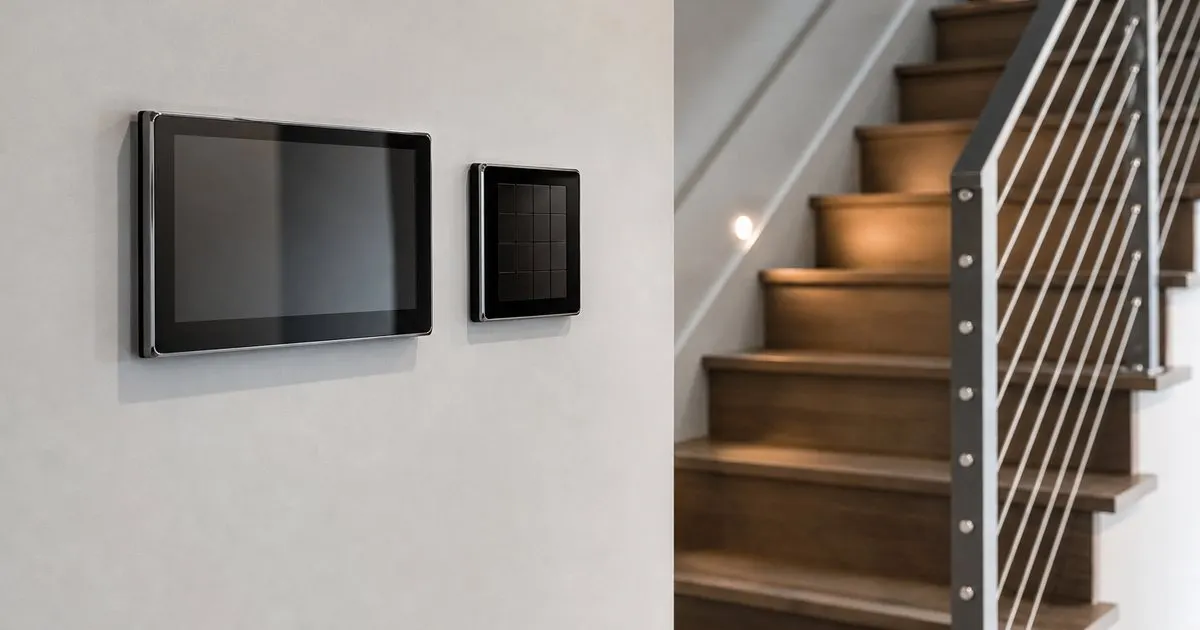
The best systems are used effortlessly by the whole household through elegant keypads, touch panels, and voice. If a spouse or guest cannot operate it easily, even the finest technology has failed its purpose.
Systems built on interoperable standards resist obsolescence and welcome new devices over time. A closed platform can trap you with a single vendor, while a considered open approach protects your investment.
Lighting, climate, shades, security, and audio should work as one coordinated whole. True integration, rather than a collection of separate apps, is what makes a home feel genuinely intelligent.
Robust network security and thoughtful data handling protect both the home and its occupants. In a connected residence, the integrity of the system is inseparable from the safety of the family.
A responsive integrator with clear service agreements keeps the system current and dependable. Ongoing support is what separates a living system from an expensive installation that slowly decays.
A calm, three step way to arrive at the right choice with confidence.
Design the system alongside architecture and interiors, ideally before walls close. Retrofitting is possible, but the cleanest, most reliable results come from planning infrastructure from the start.
Favor open, well-supported platforms over closed ecosystems that may limit you later. The platform decision shapes flexibility and longevity more than any single device you install.
Select an integrator you can rely on for years and agree on how the system will be supported. A great installation is only as good as the service that keeps it running.
A clear sense of what to expect at every level, from entry to bespoke. Independent guidance, never a sales pitch.
Figures are typical US market ranges to guide your planning, not quotes.

This guide is written by an independent editorial team that studies luxury home automation with designers and systems engineers. We take no payment to favor an integrator, and we judge systems by reliability, ease of daily use, and how gracefully they age.
Whenever possible, yes. Planning during design lets you run proper cabling and network capacity before walls close. Retrofitting works but rarely matches the reliability and cleanliness of a system designed from the start.
Open, interoperable platforms generally age better and welcome new devices, reducing the risk of being locked to one vendor. The best choice balances openness with a proven integrator who can support it well.
For critical functions, wired connections provide stability that wireless alone cannot guarantee. A considered mix of wired backbone and wireless convenience delivers both reliability and flexibility throughout the home.
Choose an open platform, plan generous infrastructure, and maintain a service relationship for updates. Future-proofing is less about any single device and more about the foundation and support behind it.
Expect a clear service agreement, responsive troubleshooting, and periodic updates from your integrator. Ongoing support is what keeps a sophisticated system dependable long after installation day.
No. We are an independent guide comparing approaches to help you plan, and we may earn a referral fee. Nothing here is financial advice; consider it careful editorial guidance instead.
Our full buying guide, the price guide, and new research as we publish it. One email, no spam, unsubscribe any time.
An expert guide to whole-home luxury automation. Independent guidance, written to help you choose well.
Read the complete guide