Are proprietary or open platforms better for a lasting luxury home automation investment?
Weighing the polish of closed ecosystems against the flexibility and longevity of open standards.
For a lasting investment, open, interoperable platforms generally hold an edge, welcoming new devices and resisting obsolescence and vendor lock-in. Proprietary systems offer polished cohesion but tie you to one vendor. The right choice depends on your priorities and time horizon, and a capable integrator who supports the platform matters as much as the architecture itself.
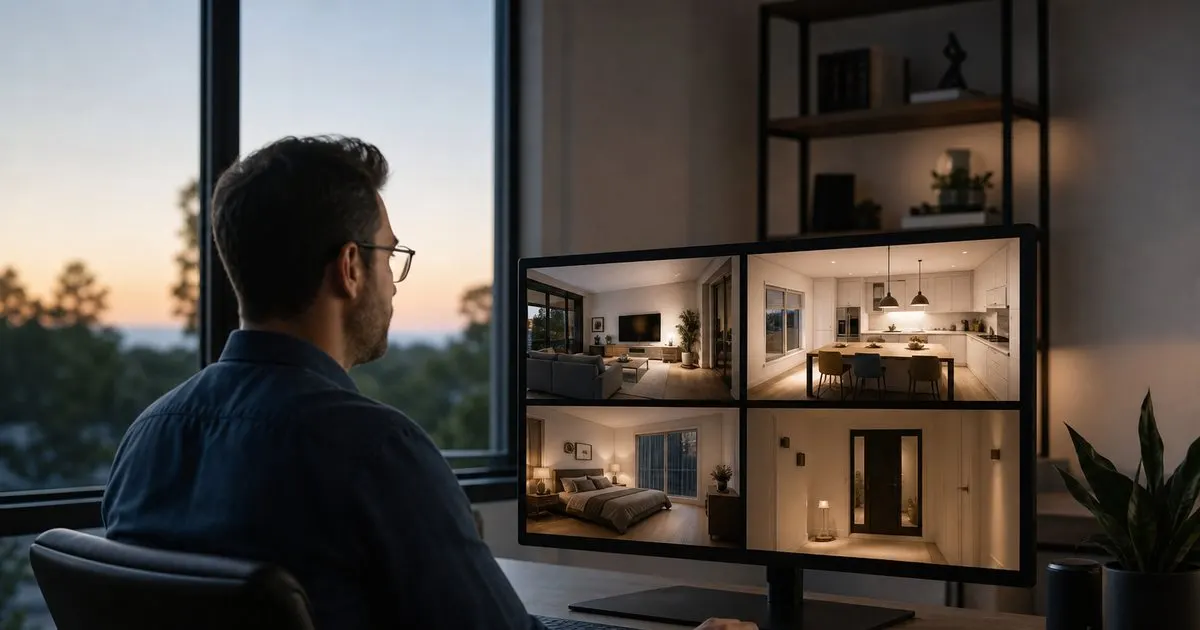
The appeal of proprietary systems
Closed ecosystems can offer a polished, tightly integrated experience where everything is designed to work together. That cohesion has genuine appeal. Related: Which control interfaces work best for an intuitive luxury whole-home automation experience?
The trade is dependence on one vendor for devices, updates, and support. If priorities change, you may find yourself constrained.
Keep reading: How do you plan luxury whole-home automation for a large private residence?, What core systems should a premium smart home integration genuinely prioritize first?, Which control interfaces work best for an intuitive luxury whole-home automation experience?. See how Smarthausr helps you an expert guide to whole-home luxury automation.
The strength of open platforms
Open, interoperable platforms welcome devices from many makers and adapt as technology evolves. This flexibility protects a long-term investment.
They reduce the risk of obsolescence and vendor lock-in. For a home meant to last, openness is a powerful advantage.
Where each fits
Proprietary systems may suit those who value simplicity and a single trusted brand. Open platforms suit those prioritizing flexibility and longevity.
Neither is universally right. The best choice depends on how long you expect the system to serve and how much you value adaptability. Related: What ongoing support should you expect after installing a premium home automation system?
The role of the integrator
A capable integrator can make either approach work well, and their support often matters more than the platform label. Choose expertise alongside architecture.
Discuss openness, upgrade paths, and support before committing. The right partner ensures the platform serves you for years.
- Proprietary systems offer polish but risk vendor lock-in
- Open platforms welcome new devices and resist obsolescence
- The best choice depends on your priorities and time horizon
- A capable integrator matters as much as the platform

Julien Jimenez
Julien Jimenez is an independent software builder based in Paris. He designs, ships, and operates focused SaaS products for small businesses and independent professionals. Read the full author page.
Frequently asked questions
What is the risk of a proprietary system?
Dependence on a single vendor for devices, updates, and support. If the vendor's priorities or offerings change, you may be constrained. Open platforms reduce this risk by welcoming devices from many makers.
Does the platform matter more than the installer?
Both matter, but a capable integrator can make either approach work well, and their ongoing support often proves decisive. Choose expertise and a clear upgrade path alongside the platform architecture.
A Home That Anticipates You
An expert guide to whole-home luxury automation. Smarthausr is built to help you put this into practice.
Plan your homeMore from the Smarthausr blog
How do you plan luxury whole-home automation for a large private residence?
What core systems should a premium smart home integration genuinely prioritize first?
Which control interfaces work best for an intuitive luxury whole-home automation experience?
Get the complete luxury whole-home automation guide
Our full buying guide, the price guide, and new research as we publish it. One email, no spam, unsubscribe any time.