How do you future-proof a luxury smart home against fast-changing technology standards?
Practical strategies, from infrastructure to platform choice, that keep a system current for years.
Future-proof a smart home by investing in infrastructure headroom, since cabling and capacity are hardest to change later, and by choosing open, standards-based platforms that adapt to new devices. Design for modular upgrades so components can be refreshed individually, and maintain a support relationship for updates. Longevity rests on foundation and support, not any single device.
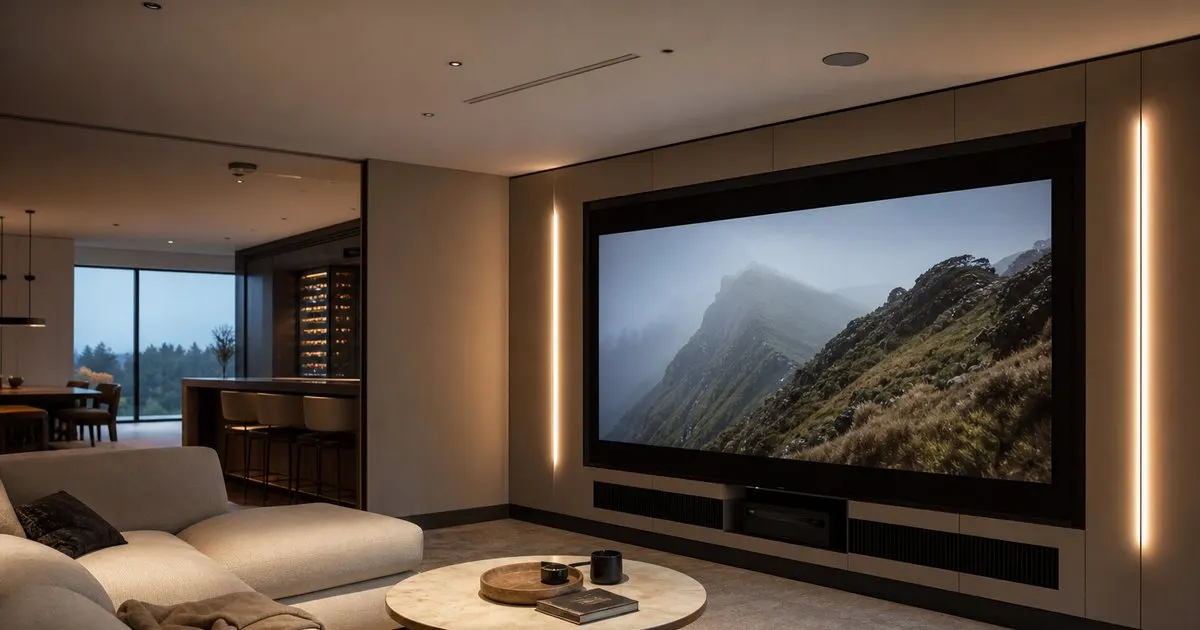
Invest in infrastructure headroom
Generous cabling and network capacity accommodate future devices and bandwidth without a rebuild. Infrastructure is the hardest thing to change later, so plan it well. Related: Why does wired infrastructure still matter in a high-end smart home system?
Building in headroom is among the most effective forms of future-proofing. It lets the home absorb new technology gracefully.
Keep reading: How do you plan luxury whole-home automation for a large private residence?, What core systems should a premium smart home integration genuinely prioritize first?, Which control interfaces work best for an intuitive luxury whole-home automation experience?. See how Smarthausr helps you an expert guide to whole-home luxury automation.
Choose openness and standards
Platforms built on open, interoperable standards adapt as new devices and protocols emerge. This flexibility keeps a system relevant. Related: Are proprietary or open platforms better for a lasting luxury home automation investment?
Closed systems can strand you when the vendor moves on. Openness is insurance against a fast-changing landscape.
Design for modular upgrades
A system where components can be updated or replaced individually ages better than a monolithic one. Modularity lets you refresh parts without redoing the whole.
This keeps the home current at a sensible pace and cost. Upgrades become evolution rather than replacement. Related: How much should you budget for motorized shading within a whole-home automation project?
Maintain a support relationship
Ongoing service from a capable integrator brings updates, tuning, and advice as technology shifts. Support is future-proofing in practice. Related: What ongoing support should you expect after installing a premium home automation system?
A living relationship keeps the system dependable and modern. Technology changes, but good support keeps pace with it.
- Build infrastructure with headroom for future devices
- Choose open, standards-based platforms for adaptability
- Design for modular, component-level upgrades
- Maintain a support relationship for updates and advice

Julien Jimenez
Julien Jimenez is an independent software builder based in Paris. He designs, ships, and operates focused SaaS products for small businesses and independent professionals. Read the full author page.
Frequently asked questions
What is the single best future-proofing step?
Investing in generous infrastructure, cabling and network capacity, since it is the hardest element to change later. With headroom in place, devices and software can evolve without a costly rebuild.
Will my system inevitably become obsolete?
Individual devices age, but a system built on open standards, modular upgrades, and generous infrastructure stays current far longer. Ongoing support keeps it evolving rather than becoming obsolete all at once.
A Home That Anticipates You
An expert guide to whole-home luxury automation. Smarthausr is built to help you put this into practice.
Plan your homeMore from the Smarthausr blog
How do you plan luxury whole-home automation for a large private residence?
What core systems should a premium smart home integration genuinely prioritize first?
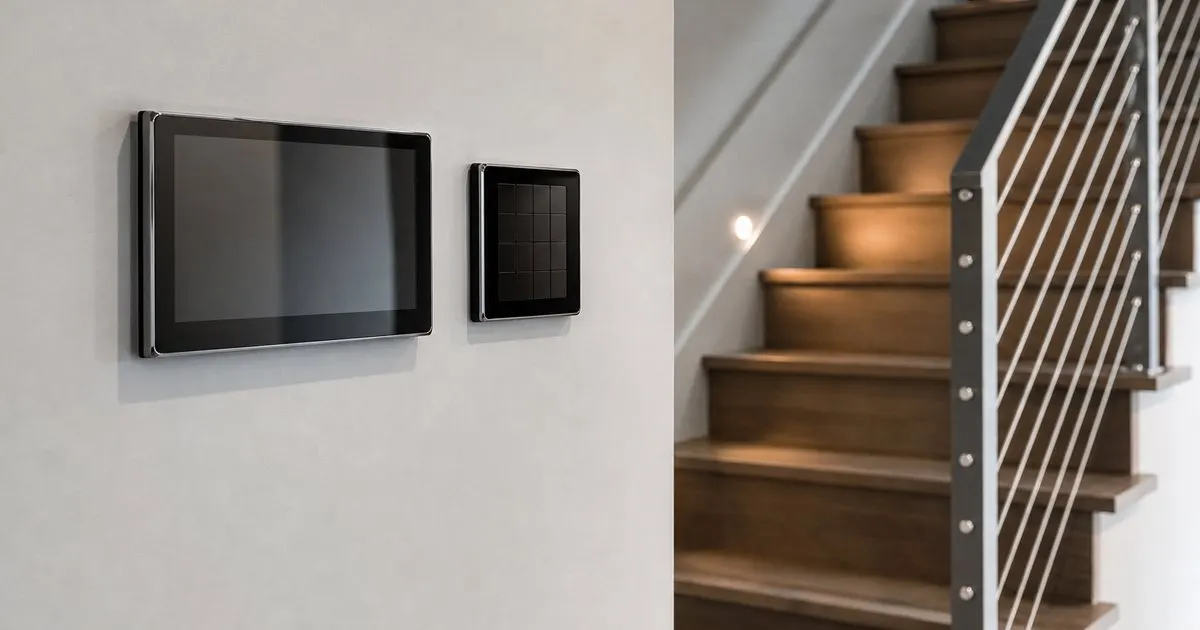
Which control interfaces work best for an intuitive luxury whole-home automation experience?
Get the complete luxury whole-home automation guide
Our full buying guide, the price guide, and new research as we publish it. One email, no spam, unsubscribe any time.