Which remote monitoring features matter most for a seasonally occupied luxury residence?
A home that sits empty for months faces risks a full-time residence never does. The right monitoring turns an automation system into a vigilant caretaker.
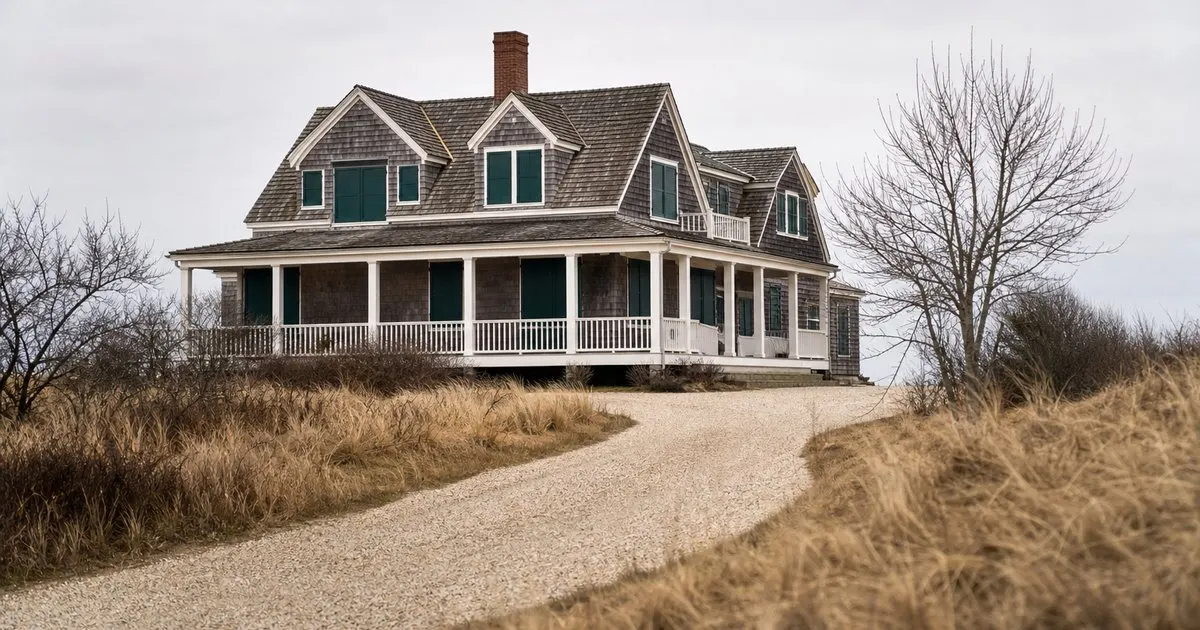
Water, temperature, and the failures that cause real damage
The single most valuable monitoring feature in an unoccupied home is water detection with automatic shutoff. A failed supply line, a frozen pipe, or a water heater leak in an empty house can run for days before anyone notices, and the damage to finishes, millwork, and structure can exceed the cost of the entire automation system many times over. Leak sensors at every plausible source, tied to a motorized main valve that closes on detection and alerts the household and the property manager, is the first line item any seasonal residence should fund. Related: How do you plan luxury whole-home automation for a large private residence?
Temperature monitoring in every zone is the second. A furnace or boiler failure in winter leads to frozen pipes; a cooling failure in summer leads to humidity damage and mold. Monitoring should alert on deviation from setpoint, not just on extreme readings, so that a slowly failing system is caught early. Humidity sensors in basements, wine rooms, and rooms with art or instruments extend the same protection, and a power monitor that reports an outage, and the generator's response to it, closes the loop.
Keep reading: How do you plan luxury whole-home automation for a large private residence?, What core systems should a premium smart home integration genuinely prioritize first?, Which control interfaces work best for an intuitive luxury whole-home automation experience?. See how Smarthausr helps you an expert guide to whole-home luxury automation.
Security and presence
An empty house should look and behave as though it is occupied. Lighting and shading schedules that vary from day to day, driven by astronomical time rather than a fixed clock, are far more convincing than a lamp on a timer. Exterior lighting, gate control, and camera coverage of approaches and entries should all be reviewable remotely, and the alarm should be professionally monitored with cellular backup so that a cut internet line does not blind the system.
Access management matters more in a seasonal home because so many people need to enter while the owners are away: caretakers, cleaners, pool and landscape contractors, tradespeople, and occasionally guests. Electronic locks with individual, time-limited credentials, and an access log the owner can review, replace the loose arrangement of hidden keys that so many second homes rely on. Pairing an access event with a camera clip and a notification gives owners quiet confidence rather than constant anxiety.
Network and system health monitoring
All of the above depends on the network and the automation system remaining alive, which means the system must monitor itself. The integrator should have remote visibility into the controller, the network switches, the access points, and key devices, with automatic alerts when something goes offline. Remote power control of critical components allows a technician to restart a hung device without a site visit, which in a remote location can save days. Ask specifically what the integrator sees and how quickly they respond when the household is not there to report a problem. Related: Which control interfaces work best for an intuitive luxury whole-home automation experience?
Internet resilience is worth paying for. A secondary connection, cellular or otherwise, that carries alerts and remote access when the primary link fails is inexpensive relative to what it protects. Cloud-dependent features should be identified and, where possible, backed by local logic so that the water valve closes and the temperature alert fires even if an external service is down. The system should also report when it has been running on backup power or backup connectivity, since those are signals that something else needs attention. Related: What ongoing support should you expect after installing a premium home automation system?
Arrival, departure, and the human side
The pleasure of a seasonal home depends on the transitions. A departure routine that sets climate to an unoccupied profile, closes the water valve except to protected loops, arms the security system, and confirms all doors and windows are secured should run from a single command, with a summary sent to the owner. An arrival routine, triggered a day or two ahead, should bring the house back to temperature, open the water, run hot water to the taps, and light the entry so that the household walks into a home rather than a cold shell. Related: Why does wired infrastructure still matter in a high-end smart home system?
Finally, monitoring only works if someone acts on it. Decide who receives which alerts, in what order, and what they are authorized to do; a caretaker who can enter and shut off a valve is worth more than a dozen notifications to an owner on another continent. Review the alert history each season and prune what is noisy. For readers comparing sensors, valves, and monitoring services we may reference, be aware that this guide may earn a commission on some links; the priorities above stand regardless, and water shutoff remains the one no seasonal residence should skip.
- Leak detection with automatic main-valve shutoff is the single most valuable feature for an empty house.
- Temperature and humidity monitoring in every zone catches failing mechanical systems before damage occurs.
- Occupancy simulation, monitored security, and time-limited electronic access keep the home safe and manageable while away.
- The system must monitor its own health, with remote visibility, backup connectivity, and a clear chain of people who act on alerts.

Julien Jimenez
Julien Jimenez is an independent software builder based in Paris. He designs, ships, and operates focused SaaS products for small businesses and independent professionals. Read the full author page.
A Home That Anticipates You
An expert guide to whole-home luxury automation. Smarthausr is built to help you put this into practice.
Plan your homeMore from the Smarthausr blog
How do you plan luxury whole-home automation for a large private residence?
What core systems should a premium smart home integration genuinely prioritize first?
Which control interfaces work best for an intuitive luxury whole-home automation experience?
Get the complete luxury whole-home automation guide
Our full buying guide, the price guide, and new research as we publish it. One email, no spam, unsubscribe any time.