When should whole-home automation be planned during a luxury home construction project?
Why the earliest design stages are the ideal moment to plan infrastructure and integration.
Whole-home automation should be planned during the earliest design stages, alongside architecture and interiors, so infrastructure is built in rather than added later. Early planning coordinates the trades, avoids rework, and lets the technology suit the finished aesthetic. For existing homes, retrofitting works best when planned before renovation begins, following the same principle.
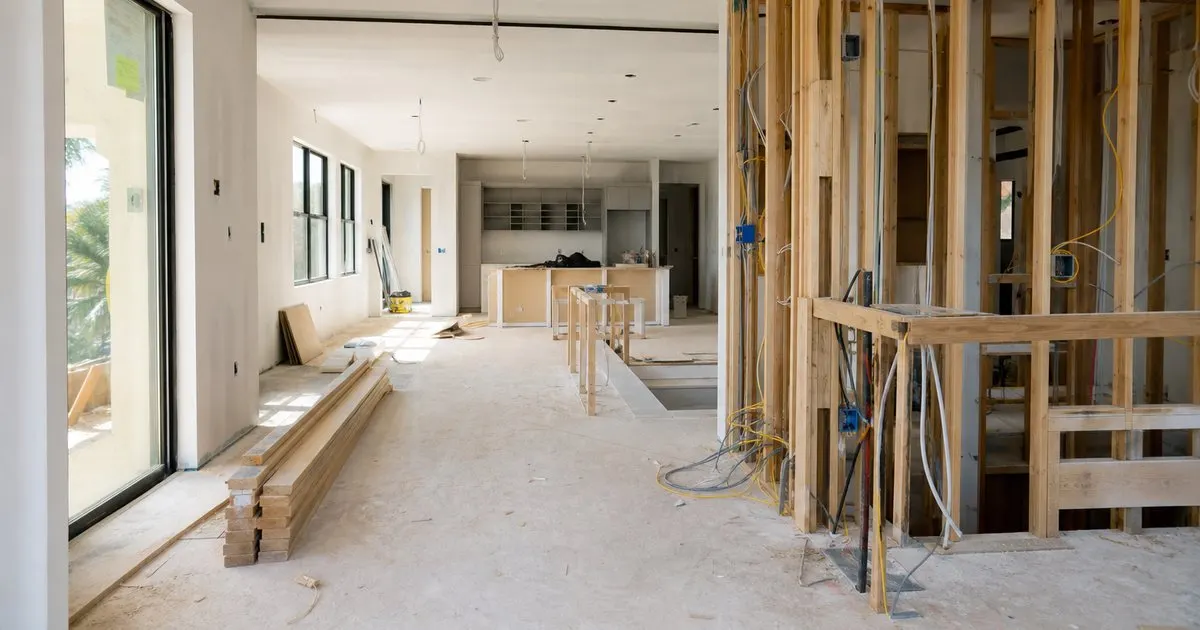
The earlier, the better
Automation is best planned during the earliest design stages, alongside architecture and interiors. This lets infrastructure be built in rather than added later. Related: How do you plan luxury whole-home automation for a large private residence?
Early planning avoids compromises and rework. It is the single biggest factor in a clean, reliable result.
Keep reading: How do you plan luxury whole-home automation for a large private residence?, What core systems should a premium smart home integration genuinely prioritize first?, Which control interfaces work best for an intuitive luxury whole-home automation experience?. See how Smarthausr helps you an expert guide to whole-home luxury automation.
Coordinating the trades
Wiring, network, and device locations must coordinate with electrical, structural, and interior plans. Early involvement ensures everything aligns.
Bringing the integrator in during design prevents conflicts on site. Coordination is far easier before walls close. Related: Which questions should you ask a home automation integrator before signing a contract?
Designing for the finished home
Planning early lets interfaces, lighting, and devices suit the finished aesthetic, not just the technical layout. The technology disappears into the design.
This is how automation feels integral rather than added on. Beauty and function are planned together from the start.
When retrofitting is the path
For existing homes, retrofitting is possible with careful planning, though it demands more ingenuity. Wireless and thoughtful routing help bridge the gap. Related: When should you retrofit an existing luxury home with whole-home automation instead of waiting?
Even then, planning before renovation work maximizes the result. The principle holds: plan as early as the project allows.
- Plan automation during the earliest design stages
- Coordinate wiring and devices with all the trades
- Early planning lets technology suit the finished aesthetic
- Retrofitting works best when planned before renovation

Julien Jimenez
Julien Jimenez is an independent software builder based in Paris. He designs, ships, and operates focused SaaS products for small businesses and independent professionals. Read the full author page.
Frequently asked questions
Can automation be added to an existing home?
Yes, through careful retrofitting, though it demands more ingenuity than new construction. Wireless devices and thoughtful routing help, and planning before any renovation work maximizes the result.
Why plan automation so early in a build?
Early planning lets infrastructure be built in and coordinated with all trades, avoiding compromises and rework. It also lets the technology suit the finished aesthetic, feeling integral rather than added on afterward.
A Home That Anticipates You
An expert guide to whole-home luxury automation. Smarthausr is built to help you put this into practice.
Plan your homeMore from the Smarthausr blog
How do you plan luxury whole-home automation for a large private residence?
What core systems should a premium smart home integration genuinely prioritize first?
Which control interfaces work best for an intuitive luxury whole-home automation experience?
Get the complete luxury whole-home automation guide
Our full buying guide, the price guide, and new research as we publish it. One email, no spam, unsubscribe any time.